
Table of Contents
Key Takeaways:
- In-chair whitening offers the fastest and most noticeable whitening results, while dentist-prescribed at-home trays provide gradual whitening over a few weeks. You can use whitening strips and toothpaste as part of an ongoing maintenance routine, but they do not offer effective results.
- Professional teeth whitening may last 1–3 years and dentist-prescribed whitening kits offer results that last 6–12 months. OTC kits or strips can last 3–6 months.
- Coffee, tea, red wine, tobacco, poor oral hygiene, aging, and certain medications are some of the most common causes of tooth discoloration.
- Some stains, particularly those caused by trauma or certain medical conditions, may require professional dental treatment rather than over-the-counter whitening products.
Can Professional Treatment Make Your Teeth Look Whiter?
Stained or dull teeth can make you hesitant to smile. And we can’t have that.
Teeth whitening offers a simple fix, brightening your teeth and giving your confidence a real lift. But results are not one-size-fits-all, and they do not last forever. At Anoka Dental, professional teeth whitening is one of the most commonly requested dental treatments. We’ve seen some patients enjoy their bright smile for months, others for years.
We’d love to help you understand how long your whitening results will last before you take the leap.
What Causes Tooth Discoloration?
The permanent teeth that come in as children are fairly white. However, they may not be as bright as the pearly whites you see in toothpaste commercials.
Sadly, as people get older, their teeth become discolored (despite their best efforts). Many things can cause yellowing, dullness, and discoloration of your teeth.
Some of the common causes include:
- Foods and beverages: Coffee, tea, soda, and red wine are some of the most common staining culprits. Certain foods, including some fruits and vegetables, can also contribute to discoloration over time.
- Tobacco use: Smoking or chewing tobacco is one of the leading causes of tooth staining and can greatly affect the look of your smile.
- Poor dental hygiene: When brushing and flossing are not consistent, plaque and tartar can build up on your teeth, making them appear yellow or discolored.
- Skipping dental cleanings: Professional cleanings do more than polish your teeth. They remove plaque and tartar buildup that standard brushing cannot fully eliminate, helping prevent surface stains.
- Medications: Certain medications, including tetracycline antibiotics, can cause tooth discoloration. Some mouth rinses containing ingredients like chlorhexidine or hexetidine may also contribute to staining with prolonged use.
- Medical conditions: Conditions that affect tooth development or enamel, such as fluorosis, can lead to visible spots or changes in tooth color.
- Age: As you get older, enamel naturally becomes thinner, allowing more of the naturally yellow dentin underneath to show through. This can make teeth appear darker over time.
- Trauma: An injury to the mouth can sometimes cause a tooth to darken or change color, affecting both children and adults.
Unfortunately, some tooth stains are permanent. Stains can appear if you use tobacco or drink red wine regularly, especially if you have poor dental hygiene. The longer you expose your teeth to stain-producing compounds, the more likely the stains will become permanent.
Discolorations produced by tartar or medical conditions typically require dental treatment for removal. Of course, you have your pick of over-the-counter whitening treatments, but professional expertise is irreplaceable and far more effective.
At Anoka Dental, we frequently treat stains with professional whitening treatments.
A single whitening appointment with us typically takes about 60 to 90 minutes, although the exact duration depends on your current tooth shade, the type of stains being treated, and the level of whitening you want to achieve. In some cases, we may recommend a series of sessions or provide an at-home whitening kit to help maintain and enhance your results.
What are the Methods for Teeth Whitening?
Teeth whitening is an easy way to make teeth 8 shades whiter (depending on the method). However, it’s important to remember that teeth whitening is not a one-size-fits-all treatment, and you may need multiple treatments to achieve the desired results.
How long it takes to whiten your teeth varies depending on the method you use. A professional dentist performs in-office teeth whitening, which usually takes one to two hours. At-home teeth whitening kits are available from your dentist or over the counter and typically take two to four weeks to achieve the desired results.
In-Chair Whitening
In-chair whitening, also known as in-office whitening, is performed by a dentist using a higher concentration of whitening formula. It is the fastest whitening option, with noticeable results often visible after just one session lasting around one to two hours.
Since it uses professional-grade whitening agents, in-chair whitening can deliver more dramatic results compared to at-home methods. It is particularly effective for stubborn or deeper stains that may not react well to over-the-counter products.
Anoka Dental’s Recommendation:
In-chair whitening is ideal for people who want faster results, such as before an important event, and prefer the convenience and supervision of a professional treatment.
At-Home Whitening
At-home whitening uses custom-made trays created by your dentist to fit your teeth accurately. You wear these trays with a whitening agent for short periods each day, usually around 30 minutes. Results typically appear over two to three weeks.
While slower than in-chair whitening, dentist-provided at-home kits can still produce noticeable whitening results because they use professional whitening formulas and are customized for your teeth.
Anoka Dental’s Recommendation:
This option works well for people who prefer a more affordable approach, are comfortable following a daily routine, and want gradual whitening results with guidance from their dentist.
Whitening Toothpaste
Whitening toothpaste can be used as part of your regular brushing routine. However, results are limited and usually take longer to notice compared with professional whitening methods. Most whitening toothpastes help remove surface stains caused by food and drinks, but do not significantly change the natural shade of your teeth because they do not contain the level of hydrogen peroxide required for true whitening.
Anoka Dental’s Recommendation:
Whitening toothpaste is better suited for maintaining a brighter smile or reducing minor surface stains rather than achieving noticeable whitening.
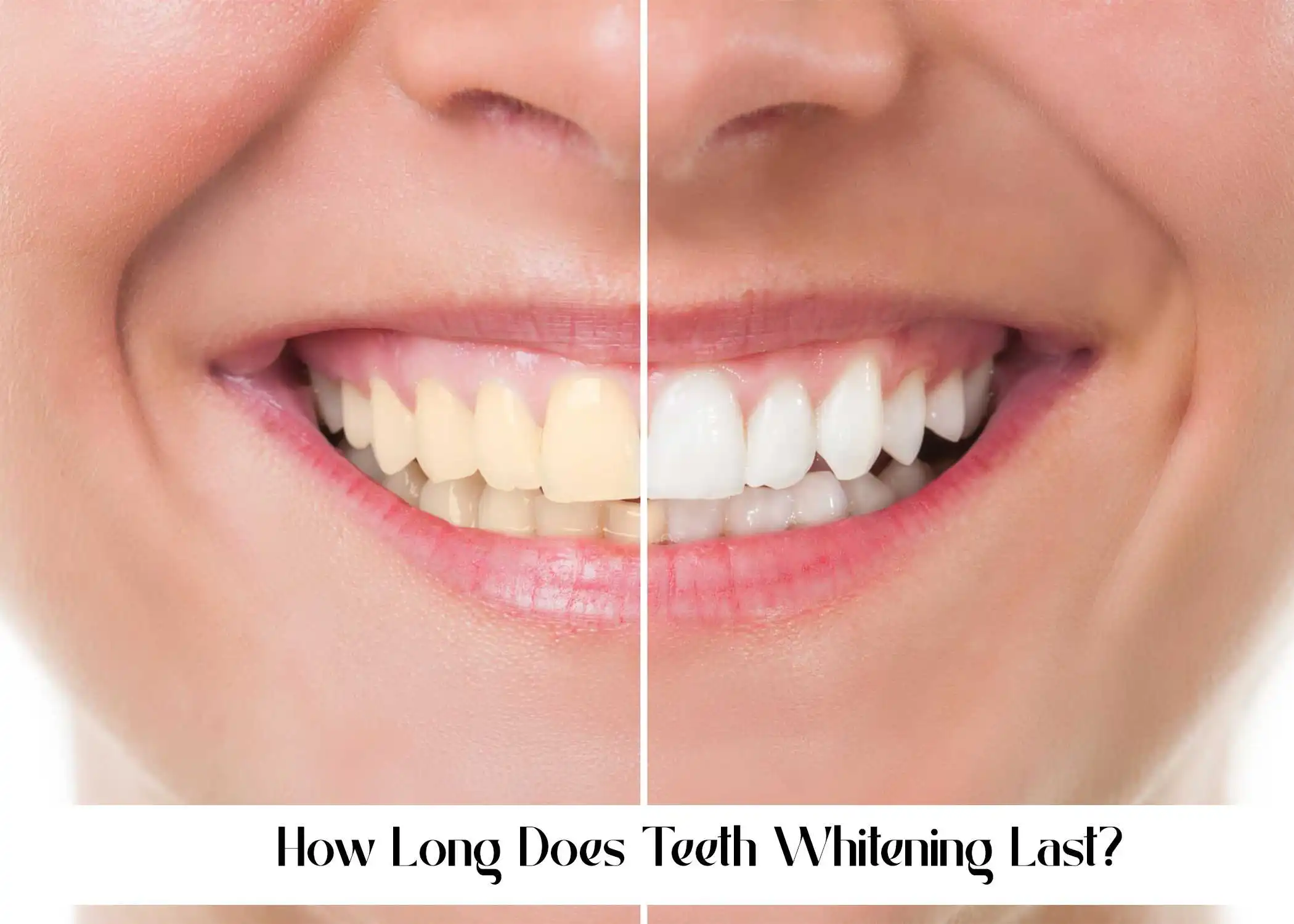
How Long Does Teeth Whitening Last?
The answer depends on the whitening method you choose and your daily habits. Professional whitening can keep your teeth noticeably brighter for one to three years, while less intensive options may need to be repeated much sooner.
Your results are likely to last longer if you:
- Brush twice a day and floss regularly.
- Attend routine professional dental cleanings.
- Limit stain-causing drinks such as coffee, tea, red wine, and cola.
- Avoid tobacco products.
- Rinse your mouth or brush after eating pigmented foods, such as berries, beetroot, or tomato-based sauces.
On the other hand, frequent exposure to staining foods and drinks, smoking, and inconsistent oral hygiene can cause teeth to lose their luster more quickly. Some gradual staining is completely normal (yes, even after professional treatment). That’s why we recommend the occasional touch-up.
How Long Do Different Tooth Whitening Methods Last?
| Whitening Method | Typical Results Last | Touch-ups Needed |
| Professional in-chair whitening | 1–3 years | Every 12–24 months, depending on lifestyle |
| Dentist-prescribed at-home whitening trays | 6–12 months | Every 6–12 months |
| Over-the-counter whitening strips or kits | 3–6 months | Every 3–6 months |
| Whitening toothpaste | Maintains surface brightness rather than significantly whitening teeth | Ongoing daily use |
Begin Enjoying Your Pearly Whites Again
Your teeth are one of the first things people notice about you, and discoloration can be a major turnoff. While tooth discoloration has many causes, most can be prevented with proper and professional teeth whitening.
Dr. DeKrey and Dr. Capp, the dentists at Anoka Dental, have handled hundreds of tooth whitening appointments and keenly understand how sensitive this issue can be. We give you honest advice and get you on a maintenance routine that works for your lifestyle.
To find out more about how long teeth whitening lasts or schedule a consultation appointment, reach out to Anoka Dental today. Our team can guide you through professional teeth whitening in Anoka, MN.
Address: 12 Bridge Sq #106, Anoka, MN 55303
Phone: 763-421-4002
FAQs
Yes, teeth gradually return to their natural shade over time as they are exposed to foods, drinks, tobacco, and everyday wear.
The most common downside of teeth whitening is temporary tooth sensitivity, which usually settles within a few days. Whitening is also not permanent and requires maintenance over time.
After whitening, teeth are more sensitive to staining for the first 24–48 hours. You should avoid dark-coloured foods and drinks such as coffee, tea, red wine, cola, berries, beetroot, tomato-based sauces, soy sauce, and curry, as well as tobacco products.